Spend enough time online and you will inevitably encounter a guide promising to teach you how to dress “old money.”
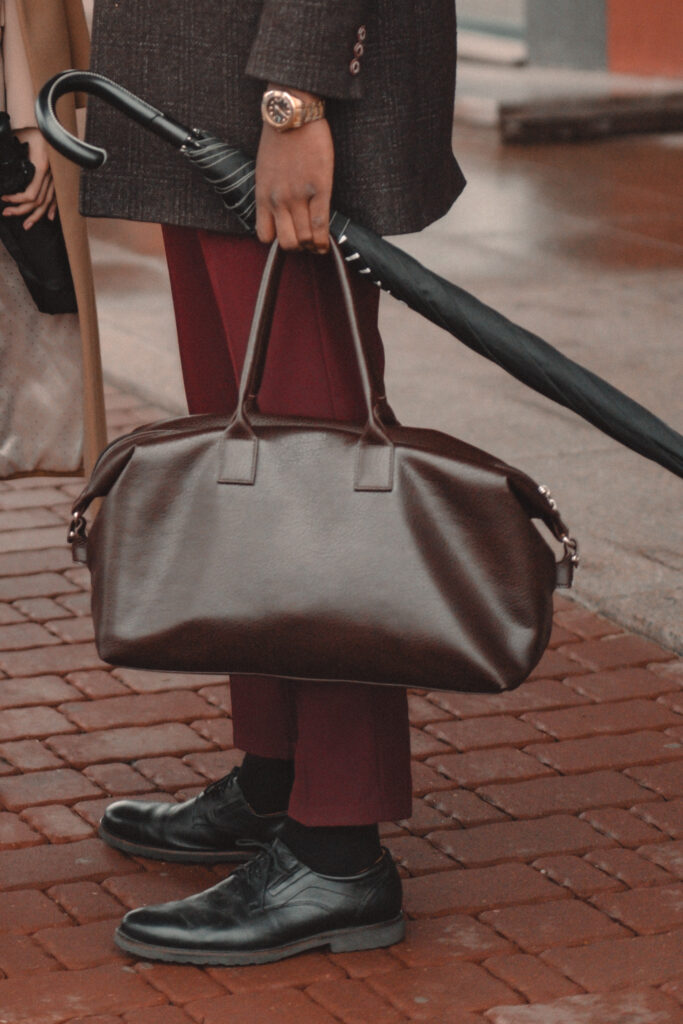
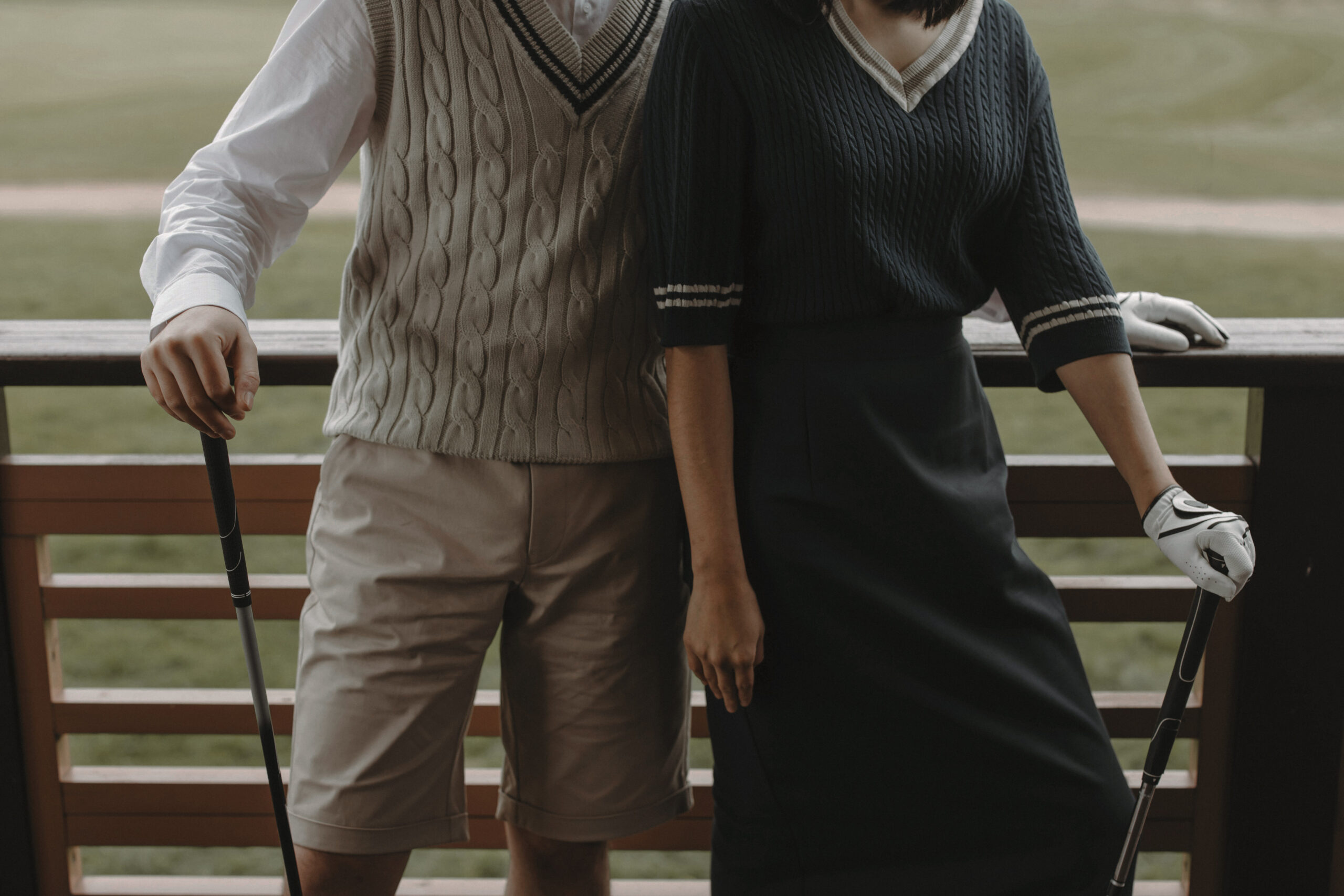
The formula is usually familiar: a camel coat, a pair of loafers, a cashmere sweater, perhaps a leather handbag devoid of logos. The implication is that by purchasing the right objects, one can acquire the appearance of inherited elegance.
Yet this understanding misses something fundamental.
Old money style is not merely a collection of garments. It is a philosophy of dress rooted in restraint, longevity, and practicality. While expensive clothing has undoubtedly played a role in the wardrobes of wealthy families, the essence of the style has never been about price alone.
In fact, some of the most important lessons associated with old money style have very little to do with spending money at all.
The Difference Between Cost and Style
One reason many people associate old money style with expensive clothing is because quality often comes at a price.
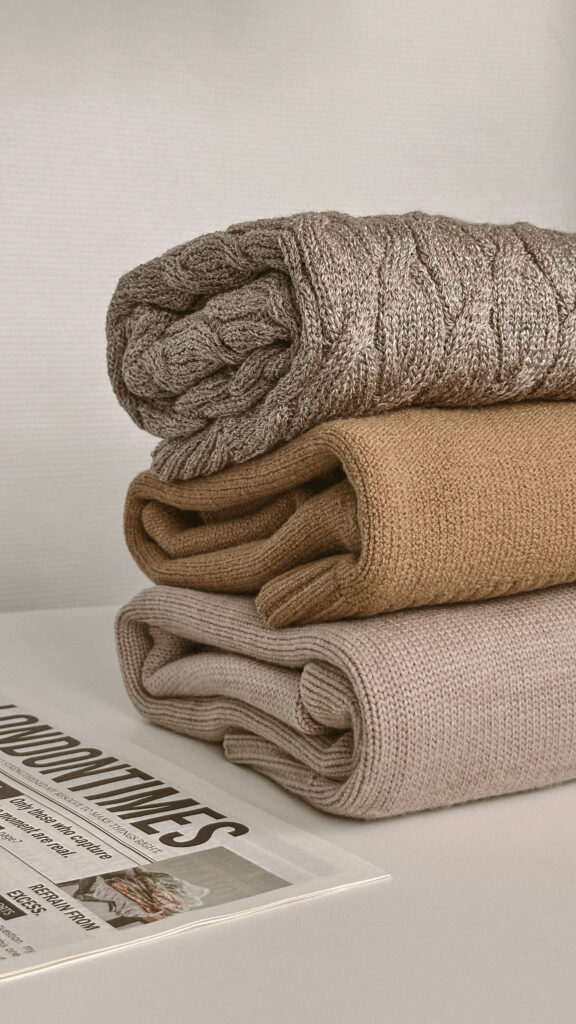
Those familiar with fashion can frequently identify a well-made garment from a distance. A beautifully tailored wool coat, a cashmere sweater woven from fine fibers, or a pair of leather shoes crafted by a heritage shoemaker often possess a quality that is difficult to replicate inexpensively.
The difference, however, is that these garments rarely announce their value.
Unlike trend-driven luxury, old money style tends to avoid conspicuous branding. There are no oversized logos, monograms, or obvious attempts to signal status. The cost remains largely invisible to those who are not looking for it.
This distinction is important.
The goal is not to communicate wealth through clothing but to wear clothing that performs its function exceptionally well. A garment is valued not because others recognize its price, but because it fits properly, lasts for years, and improves with wear.
In this sense, style and cost are related, but they are not the same thing.
The Second-Hand Advantage
If old money style values quality and longevity, then second-hand shops may be among the most overlooked resources available today.
Vintage stores, charity shops, estate sales, and second-hand boutiques often contain garments that have already demonstrated their durability. A wool coat that remains in excellent condition after twenty years has already proven something about its craftsmanship. The same cannot always be said for a newly manufactured garment.
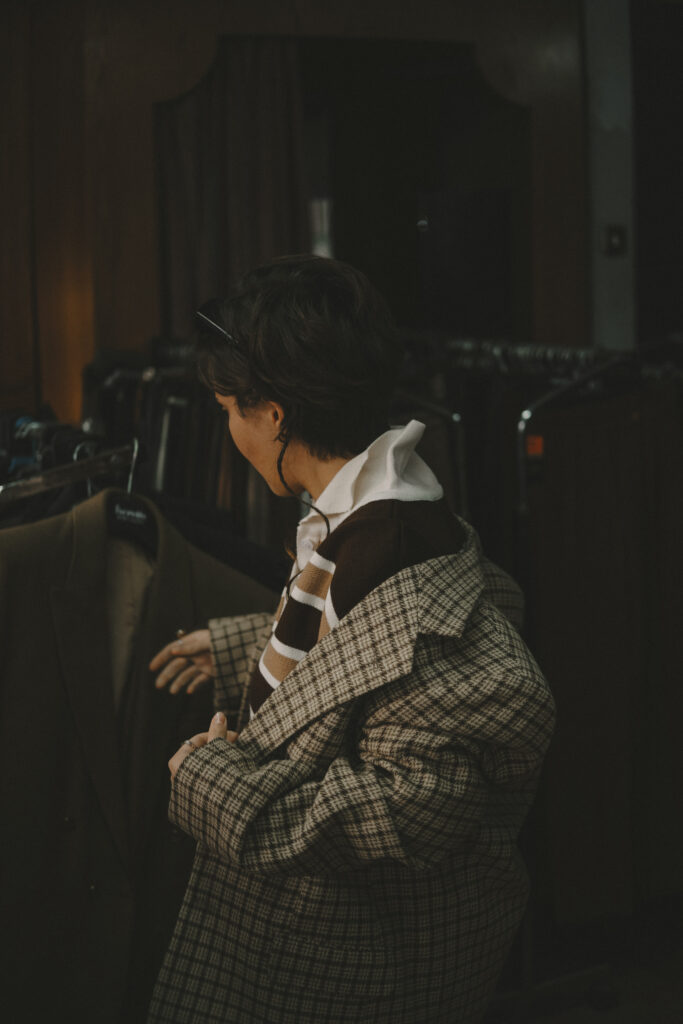
This is one of the reasons second-hand shopping can be so rewarding. It allows people to access higher-quality clothing at a fraction of its original price while also avoiding the constant cycle of trend-based consumption.
There is also something fitting about finding old money style in old clothes.
The aesthetic itself is deeply connected to continuity. It favors garments that remain useful beyond a single season, pieces that can be worn repeatedly without appearing outdated. Many vintage garments embody these principles naturally because they were produced before rapid trend cycles became the norm.
A carefully chosen second-hand blazer often possesses more character than a brand-new fast-fashion alternative.
And perhaps more importantly, it has already stood the test of time.
The Secret Is Not Price, But Fit
There is one principle that separates stylish dressers from everyone else, and it has little to do with budgets.
Fit.
An expensive garment can look surprisingly unimpressive when it does not fit the wearer properly. Sleeves that extend too far, shoulders that sag, trousers that bunch awkwardly, or jackets that pull across the chest can diminish even the finest materials.
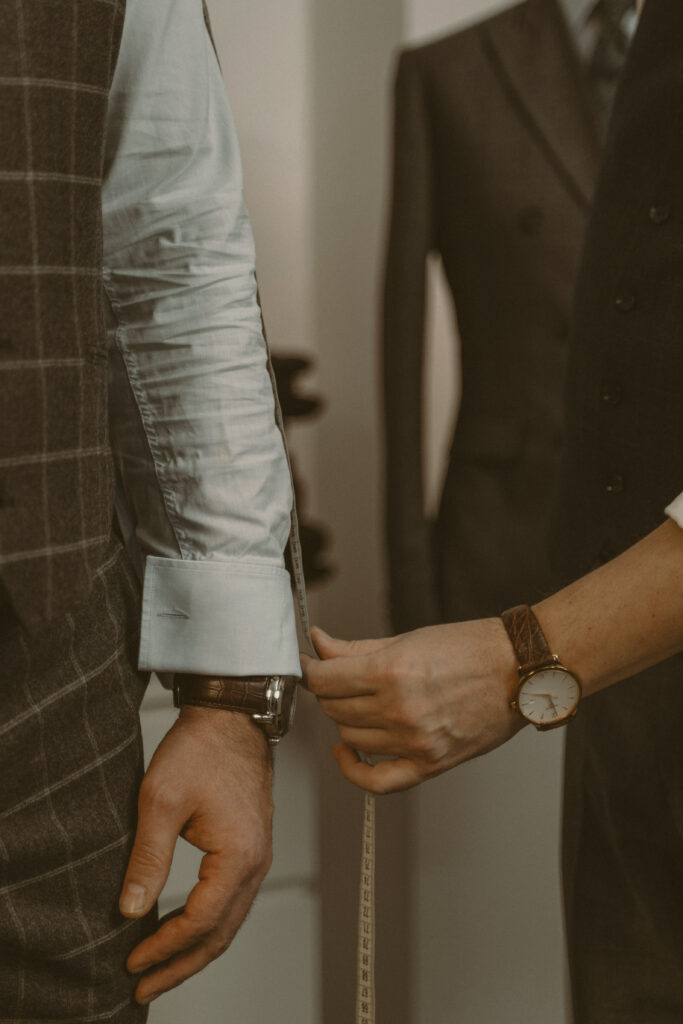
Conversely, an affordable garment that fits correctly often appears far more refined than its price would suggest.
This is why tailoring has long occupied a quiet but important place in elegant wardrobes.
A simple adjustment can transform an ordinary garment into something that feels intentional. Hemming a pair of trousers, adjusting a waistline, shortening sleeves, or refining the shape of a jacket can dramatically improve the overall appearance of an outfit.
To many, tailoring may seem like an unnecessary luxury. Yet viewed over the long term, it is often one of the most worthwhile investments a person can make. Rather than continually replacing clothes in search of perfection, tailoring allows garments to adapt to the individual.
The result is not merely better clothing.
It is clothing that appears to belong to its wearer.
Learning to Care for Clothes
For those who wish to embrace the spirit of old money style without spending heavily, there is another path worth considering.
Learning to sew.
Today, sewing is often viewed as a niche hobby, but for generations it was considered a practical skill. Knowing how to replace a button, repair a seam, shorten a hem, or adjust a garment allowed clothing to remain useful for years longer than it otherwise might have.
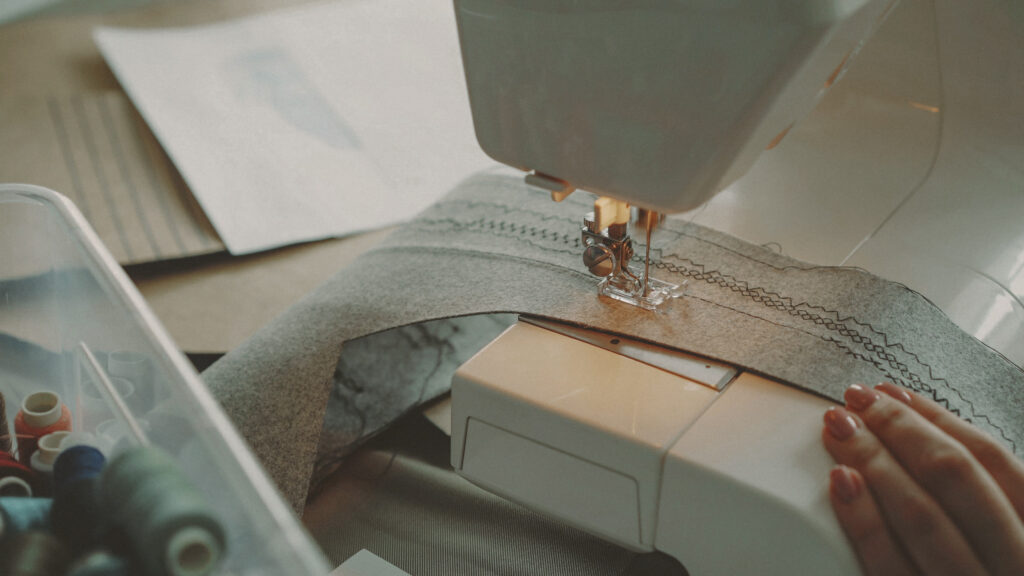
There is something quietly elegant about caring for one’s possessions.
Rather than discarding an item at the first sign of wear, it is repaired. Rather than replacing a garment because of a minor imperfection, it is maintained.
The initial investment may be little more than a sewing machine and the willingness to learn.
Yet the rewards extend beyond financial savings.
Sewing encourages a different relationship with clothing—one based on appreciation rather than consumption.
Style as Stewardship
Perhaps this is the aspect of old money style that is most often overlooked.
At its core, it is less about fashion than stewardship.
It is the practice of buying thoughtfully, maintaining carefully, and resisting the temptation to constantly replace what already serves its purpose.
The modern interpretation of old money often focuses on aesthetics. It examines what wealthy families wear but rarely considers why they wear it. The answer is frequently far simpler than social media would suggest.
They buy less.
They keep things longer.
They repair what can be repaired.
They value quality over quantity and permanence over novelty.
These habits are available to almost anyone, regardless of income.
A thoughtfully curated wardrobe built over years will always possess more character than one assembled quickly through trends and impulse purchases.
In the end, the most elegant wardrobe is not necessarily the most expensive.
It is the one that has been worn, cared for, and kept.
Because style, like heritage, is rarely about what is newest.
It is about what remains.