
The modern aesthetic landscape is filled with performances of subtlety. Neutral interiors, understated tailoring, carefully imperfect spaces, books arranged visibly enough to imply intellect but casually enough to deny intention.
Taste rarely emerges in isolation. What we consider refined, timeless, or sophisticated is often shaped quietly through exposure — by culture, class, visibility, algorithms, and the aesthetics we learn to associate with legitimacy.

Quiet luxury has become one of the defining aesthetics of contemporary aspiration. Minimalism — structured silhouettes, neutral palettes, understated tailoring — is increasingly associated with sophistication and self-assurance. The appeal of such aesthetics lies partly in what they refuse: excessive branding, visual noise, and overt displays of status. The message is subtle but recognizable. Taste, in this context, becomes associated with restraint, intentionality, and the suggestion that identity no longer depends on visible validation.
Figures such as Carolyn Bessette-Kennedy continue to function as references for this ideal. Her style remains influential precisely because of its apparent effortlessness — an elegance built less on spectacle than on careful reduction. In contrast, logo-heavy fashion is often perceived as excessively performative, too eager to announce itself. As cultural preferences shift toward subtlety, many luxury brands have gradually adapted their visual identities accordingly, embracing muted branding and quieter aesthetics.
Taste also extends beyond fashion. Books, music, interiors, and even forms of consumption increasingly operate as social signals. As Pierre Bourdieu observed in his discussions of cultural capital, taste is rarely perceived as purely aesthetic; it often functions as a subtle marker of education, environment, and social belonging. The books displayed in a room, for instance, often communicate aspiration as much as intellectual interest. Reading habits may reflect curiosity, emotional sensibility, education, or simply the desire to participate in particular cultural identities. Likewise, musical preferences are rarely formed in isolation; they are shaped by environment, community, memory, and exposure.
Interior spaces perhaps reveal this most clearly. A cohesive interior often signals more than aesthetic preference alone. It reflects time, stability, access, and the ability to curate one’s surroundings intentionally. Yet even these aesthetics are not neutral. What contemporary culture recognises as tasteful is continuously shaped by social influence, digital visibility, and evolving cultural ideals.
Social media platforms such as TikTok have accelerated the circulation of aesthetics at an unprecedented speed. Styles and identities that once emerged gradually through environment, subculture, or personal discovery are now packaged into endlessly consumable visual categories. “Old money,” “clean girl,” “coastal grandmother,” “quiet luxury” — aesthetics increasingly arrive pre-defined, ready to be adopted, performed, and abandoned within weeks.
As people move rapidly between these curated identities, taste becomes increasingly shaped by algorithmic exposure rather than personal continuity. What appears individual is often heavily mediated by visibility and repetition. The algorithm does not simply reflect preference; it actively constructs it, feeding users aesthetics that become desirable through constant exposure.

In this environment, identity risks becoming increasingly performative. In many ways, this reflects what Erving Goffman described decades ago: the tendency for social life to resemble performance, where identity is continuously shaped through presentation and perception. Taste is no longer formed slowly through lived experience alone, but through cycles of digital consumption in which aesthetics function almost as temporary personas. The result is a culture where self-expression and imitation exist in constant tension.
In contemporary fashion culture, sophistication is increasingly associated with discernment rather than visibility. Attention shifts away from obvious branding and toward elements that require closer observation: quality, fit, fabric, proportion, and intentionality. The appeal of subtle aesthetics lies partly in the perception that confidence no longer needs constant visual affirmation. Taste, in this context, becomes linked to restraint and self-assurance rather than overt display.
Yet taste remains deeply subjective. Although aesthetics are shaped by algorithms, cultural influence, and dominant fashion narratives, personal perception continues to vary across individuals, environments, and geographies. What one person considers refined may appear unremarkable or excessive to another. Even so, contemporary fashion culture increasingly operates within a global visual language that subtly establishes which aesthetics are recognized as aspirational.
There are also those who gravitate naturally toward subtlety, not necessarily because of status or performance, but through personal inclination, upbringing, or emotional sensibility. However, restraint itself can become performative when adopted too consciously — when minimalism functions less as genuine preference and more as aesthetic signalling.
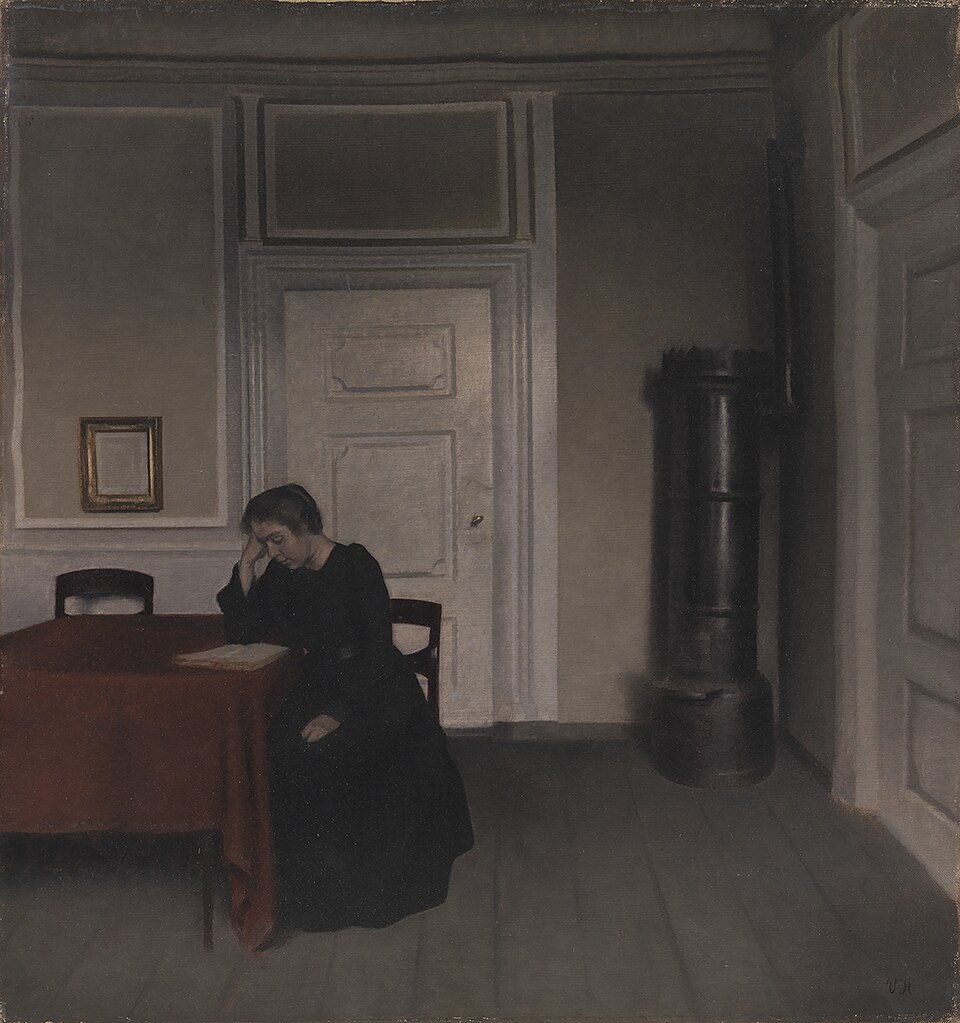
Perhaps this is what separates cultivated taste from mere imitation. Beyond trends, branding, or algorithmic aesthetics exists a quieter process of self-understanding: the gradual recognition of what feels authentic to one’s own body, personality, and way of moving through the world. Taste, at its most personal, is often less about visibility than about coherence.